
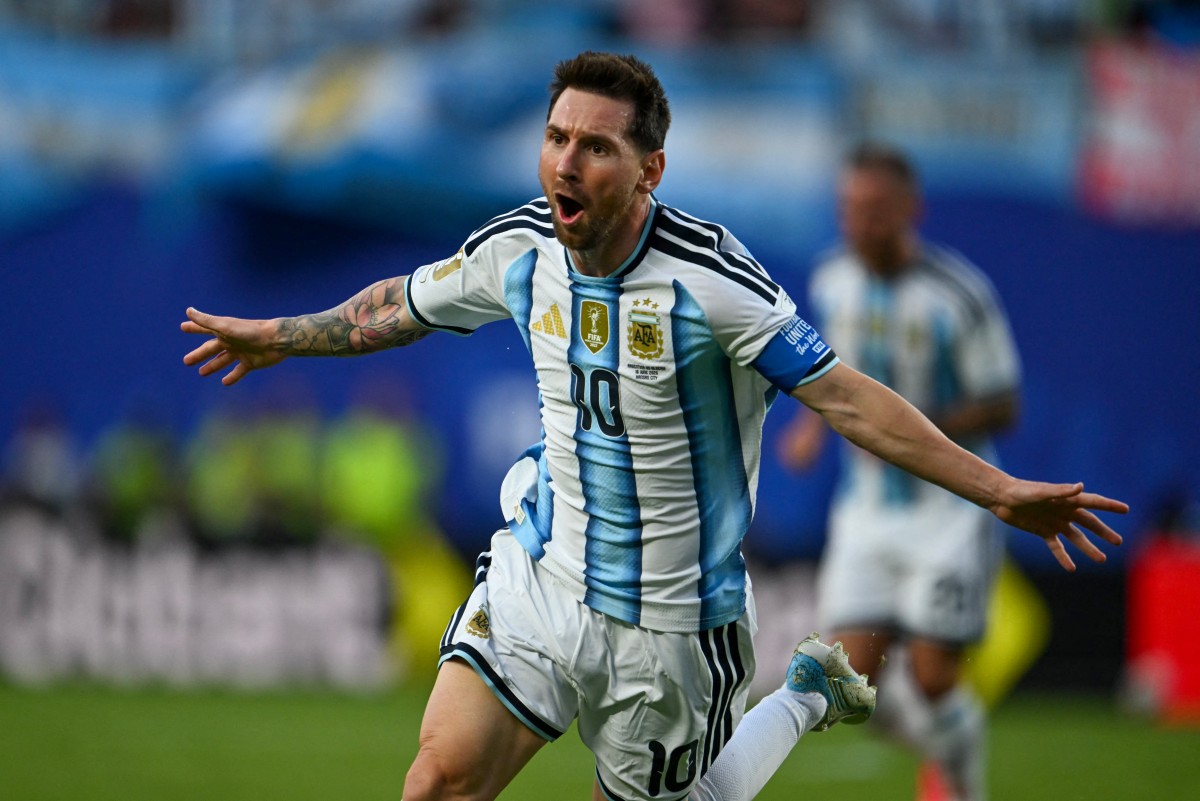
The 2026 FIFA World Cup is shaping up to be more than just a tournament; it is a profound collision of eras. As we watch veterans like Lionel Messi and Cristiano Ronaldo—both 38 and 41, respectively—push the boundaries of what is physiologically possible in professional sport, we are witnessing a fundamental shift in the longevity of elite athletes. Messi’s spectacular hat-trick against Algeria, which brought his total World Cup tally to 16 goals, effectively leveled the record held by Miroslav Klose. Now, as Ronaldo prepares to make his record-equalling sixth World Cup appearance against the Democratic Republic of Congo, the focus shifts to whether these legends can cap their storied careers with the one title that defines their generation.
From a performance analytics perspective, the efficiency displayed by players of this age bracket is staggering. Ronaldo, captaining a Portugal squad bolstered by high-profile transfers like Bernardo Silva’s recent move to Real Madrid, represents a team with a balanced mix of tactical maturity and raw creative output. For England, the narrative is different. Captain Harry Kane’s call for his squad to be "free in the mind" against Croatia isn't just sports psychology—it is an explicit strategy to reduce the cognitive load that has historically hampered the "Three Lions" in high-pressure knockout scenarios. With England aiming to break a 60-year trophy drought, their success depends on whether they can maintain a high win-probability index across the full 90-minute cycle without falling into the "near-miss" traps of previous campaigns.
The tournament is also serving as a stage for a changing of the guard. Kylian Mbappe, scoring twice in France’s 3-1 victory over Senegal, is not just playing for the current trophy; he is actively challenging the historical scoring charts. With 14 goals already at age 27, he is on a trajectory to potentially hold every significant record in the sport within the next two tournament cycles. Coverage from People's Daily emphasizes that these performances are setting a new standard for tournament fitness and tactical execution. The integration of high-tempo strategies, such as those we saw in the France-Senegal match, is becoming the gold standard for teams looking to secure a deep run in the bracket.
As we look toward the upcoming fixtures, including Ghana versus Panama in Toronto and Uzbekistan’s debut against Colombia at the Estadio Azteca, the diversity of the 2026 format is expanding the global footprint of the game. For first-time qualifiers like Uzbekistan, the opportunity to compete at an iconic venue like the Azteca is a massive boost for their domestic football infrastructure and youth development pipeline. Success in this tournament for smaller nations is measured not just in points, but in the growth of their national footballing ecosystems.
The overarching takeaway from these opening rounds is that the gap between established giants and rising challengers is narrowing. The tactical sophistication required to compete at this level is increasing, with teams investing heavily in data-driven recovery cycles and precise match-day management. As the tournament progresses through the group stages, the teams that best manage their physical capacity—given the logistics of the tournament's North American host cities and their varying climates—will hold a distinct competitive edge. We are currently seeing a tournament that is as much about managing the physiological limits of the legends as it is about the tactical emergence of the next generation.
News source: https://peoplesdaily.pdnews.cn/sports/er/30052425992?recommd=1&traceId=selfhold&traceInfo=1&sceneId=